What is Generative AI and How Does it Work?
Learn how generative AI is revolutionizing industries by creating new data that mimics the underlying patterns and structures of …

Foundation models represent a significant advancement in AI, enabling versatile and high-performing models that can be applied across various domains, such as NLP, computer vision, and multimodal tasks.
Read article →
Learn how generative AI is revolutionizing industries by creating new data that mimics the underlying patterns and structures of …
Box supports integration with a wide range of tools and platforms, including Jupyter notebooks and RStudio, which would allow the team …
In this blog, we’ll discuss and explore how to install Tensorflow-GPU using docker.
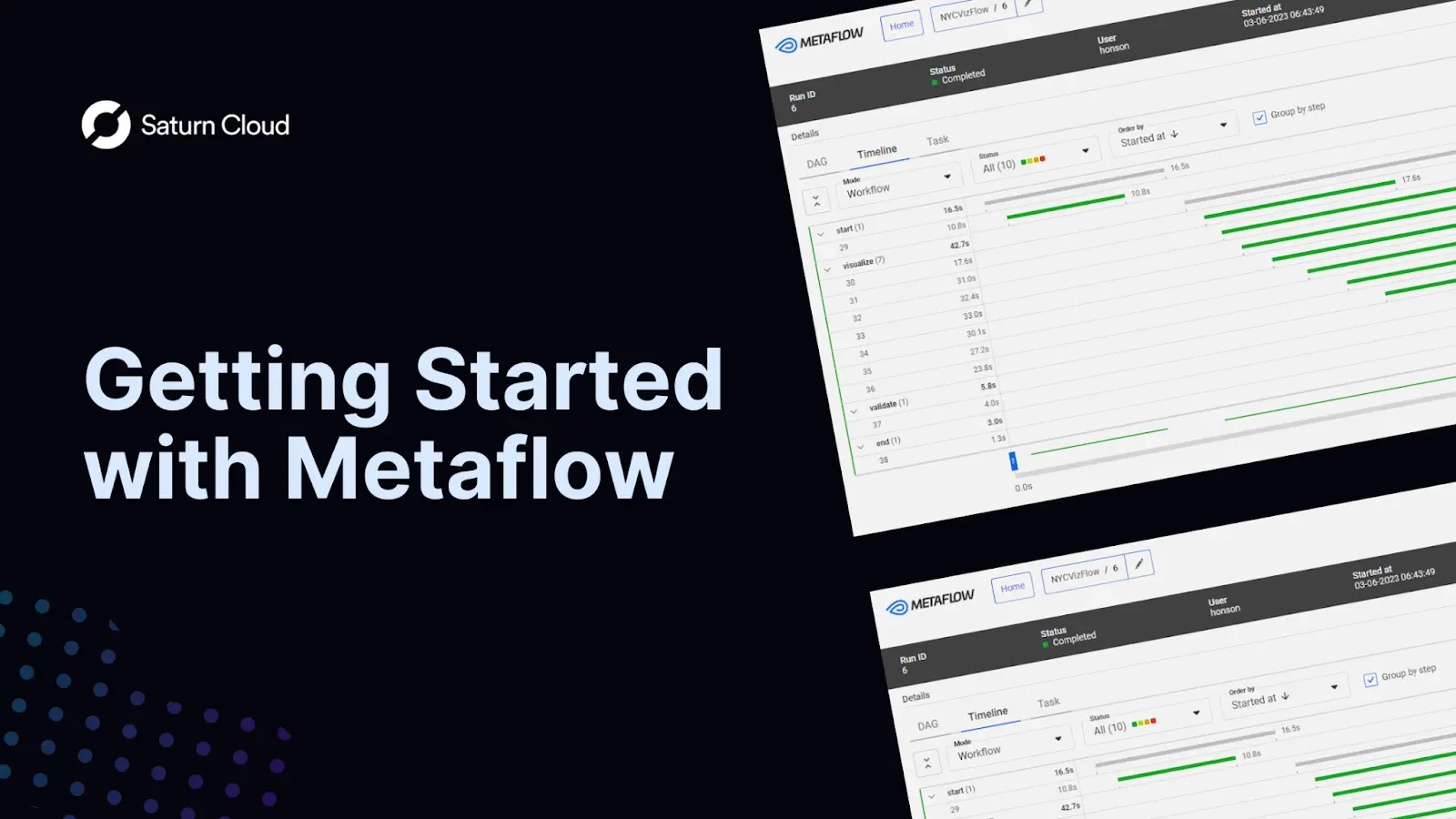
Metaflow is a Python framework that simplifies building, managing, and maintaining data science projects by providing tools for …
Ray is a framework for developing and running parallel and distributed applications emphasizing ML tasks. Ray enables users to harness …
Setting up Luigi is relatively straightforward, and developers can create pipelines by defining tasks that perform specific data …
Learn how to deploy a Bokeh application/dashboard on a private server. For demonstration, we’ll use an EC2 instance, however, this can …

In this article, we will cover the basics of Github actions, building a docker image and pushing to AWS ECR(Elastic Container Registry) …
Learn how to authenticate Google Drive from Jupyterhub using Service Account and retrieve files in a Google Drive folder from your …